Flat Clearance Marylebone: Recycling and Sustainability Commitment
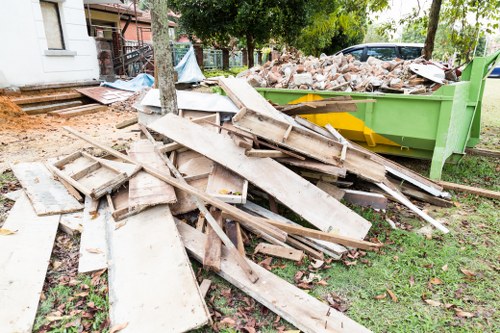 At Flat Clearance Marylebone we prioritise an eco-friendly waste disposal area approach across every removal and clearance. Our goal is to make Marylebone flat clearance the benchmark for sustainable rubbish management in Westminster and neighbouring boroughs. We operate with a clear, measurable target and an operational plan that reduces landfill, increases reuse and bolsters local circular-economy activity.
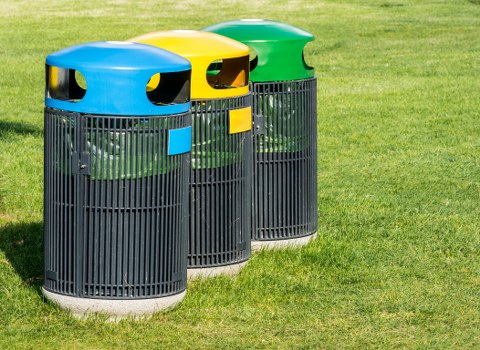
Our day-to-day removal teams follow the boroughs' approach to waste separation, encouraging customers to segregate glass, paper, card, plastics, and food waste where possible before we arrive. We complement household and council schemes by ensuring materials that enter our chain are handled in ways that support local recycling centres and transfer hubs rather than being mixed into general refuse.
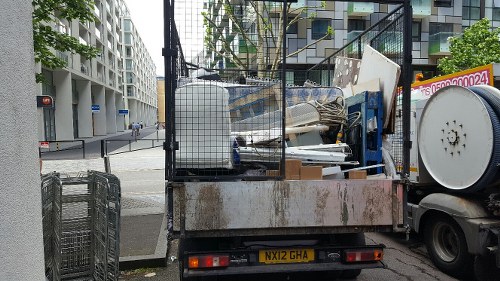 We have set a bold recycling percentage target: a minimum of 70% reuse and recycling for all collected flat items within 12 months of collection. This target covers materials reclaimed for recycling, furniture and appliances diverted for reuse, and textiles/materials donated through partner channels. It is an ambitious but achievable target because our processes prioritise separation at source, sorting, and tracked onward processing.
How our sustainable rubbish area operations work
Our sustainable rubbish area model uses a three-step process: collection with low-carbon vehicles, on-route separation and sorting, and delivery to appropriate local facilities. We integrate with municipal expectations—recognising that many London boroughs promote mixed recycling bins alongside separate food and textile collections—and we align our separation standards with those schemes to minimise contamination.
 We collaborate with local transfer stations and civic amenity sites run by the City of Westminster and neighbouring boroughs, ensuring materials enter the correct downstream streams. Typical destinations include municipal transfer stations, licensed recycling facilities, and specialist processing centres for bulky waste, electricals (WEEE) and plaster/wood recycling. By routing correctly we reduce unnecessary journeys and support higher capture rates for recyclable fractions.
Partnerships are central to our approach. We work with charities and social enterprises to maximise reuse: furniture and household goods in good condition are channelled to charities such as Emmaus, British Heart Foundation furniture stores, and local homelessness charities that accept items in the Westminster area. Clothing and textiles are paired with textile recyclers and local community reuse projects to keep items in circulation.
Low-carbon vans and reduced-emission logistics
 Our transport fleet is a core sustainability lever. We operate low-carbon vans including electric and hybrid vehicles supplemented by Euro-6 diesel units for heavier jobs where necessary. Route optimisation software reduces total mileage and idle time, cutting emissions further and improving the efficiency of our eco-friendly flat clearance services.
We strongly emphasise driver training for efficient driving, load planning to avoid repeat trips, and regular maintenance to keep emission levels down. These measures benefit the environment and the local Marylebone streetscape by reducing noise and air pollution during collections and drop-offs.
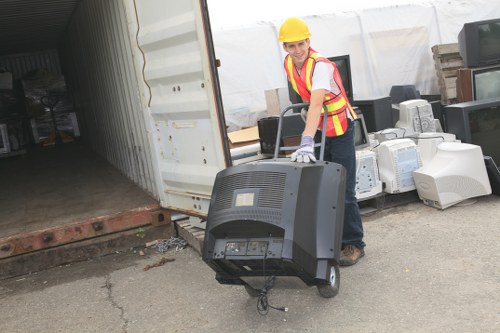 To support the circular economy we maintain documented chains of custody for large items—furniture, mattresses, WEEE and metalwork—so that every item is traceable to either a reuse outlet, certified recycler or a licensed transfer station. This transparency helps meet our 70% recycling and reuse target and gives stakeholders confidence in the integrity of our sustainable rubbish area services.
We also offer tailored support to residents and landlords interested in higher capture rates for recyclables and reuse. For example, when clearing multiple units in a block we deploy segregated containers for glass, paper/card, mixed recycling, and textiles so borough-style separation is mirrored in our collection process. This mirrors the local councils' encouragement of separate food waste collections and helps prevent contamination that would otherwise send recyclables to landfill.
Operationally our team records outbound destinations for materials and compiles quarterly sustainability reports that outline tonnages diverted, percentage reused or recycled, and emissions saved by using low-emission vehicles. These reports are used to refine collection protocols and to deepen partnerships with transfer stations and charity networks.
By integrating community-focused reuse partnerships, working closely with local transfer stations and civic amenity sites, and continuing to expand our fleet of low-carbon vans, Flat Clearance Marylebone is committed to delivering a truly eco-friendly flat clearance service and fostering a greener Marylebone. Our aim is to make sustainable flat removal Marylebone-wide, with measurable outcomes and verifiable progress towards our recycling targets.