
Complaints Procedure for Flat Clearance Marylebone
Purpose: This procedure explains how clients and residents can raise concerns about a flat clearance or rubbish removal in the Marylebone area and how those reports are handled. It applies to any flat clearance service, including house clearances, furniture removal and domestic waste disposal conducted by a clearance company operating in the local service area. The aim is to resolve issues quickly, fairly and with clear records while protecting the safety and property of everyone involved. Clarity and fairness are central to this approach.Scope and Who Can Complain
This policy covers complaints from customers, property managers, landlords, tenants and authorized representatives about the conduct, service quality or safety practices of flat clearance teams. Complaints may relate to missed collections, damage during removal, inappropriate disposal of items, schedules, or the behaviour of staff on site. It does not replace formal legal processes but sets out how the flat clearance company investigates and responds to service issues in the Marylebone service area and surrounding neighbourhoods. Anyone directly affected by a clearance can follow this procedure.
How to Raise a Concern
To ensure a timely investigation, provide a clear description of the issue including: where and when the clearance took place, the nature of the problem, and any supporting details or images. When raising a complaint, state whether you are seeking an explanation, an apology, a repair, replacement, compensation, or another remedy. The company will log the complaint and confirm receipt within the stated acknowledgement period. Typical steps a complainant should expect are:- Clear description of the problem and desired outcome.
- Submission of supporting evidence such as photos or inventory lists.
- Identification of any immediate safety concerns so they can be addressed first.
Acknowledgement and Initial Response
On receiving a complaint about a Marylebone flat clearance or related rubbish removal service, the team will acknowledge it promptly and assign a case reference. Acknowledgement times are published in service terms; the focus is on timely communication to reduce uncertainty. The initial response will outline the investigation steps, an estimated timeline for resolution and the contact person responsible for case progression. Transparency at this stage helps to set realistic expectations for both the client and the clearance crew.
Investigation Process
The investigation will gather statements from the removal crew, any crew supervisors, and the complainant. Evidence such as photographs, vehicle logs, waste carrier documentation and site notes will be reviewed. Investigators aim to determine whether service standards were met, whether negligence or procedural failure occurred, and the sequence of events that led to the complaint. Investigations are conducted impartially and recorded in the case file.During the inquiry the company may propose interim measures to prevent recurrence, such as retraining staff, revising handling methods, or adjusting scheduling protocols. If immediate corrective action is required — for example to repair damage or properly dispose of incorrectly handled waste — this will be arranged without waiting for the full investigation to conclude where possible.
Resolution and Remedies
Following investigation, outcomes can include an explanation, an apology, remedial work, financial adjustment, or other corrective steps. Where damage to property is identified, the company may offer repair, reimbursement or a goodwill payment depending on the evidence and standard policy. For issues around waste disposal or environmental handling, corrective measures may include arranging appropriate re-disposal or liaison with specialist contractors. All agreed remedies are documented in the case record, including timelines for completion. Resolution aims to restore trust and provide fair redress.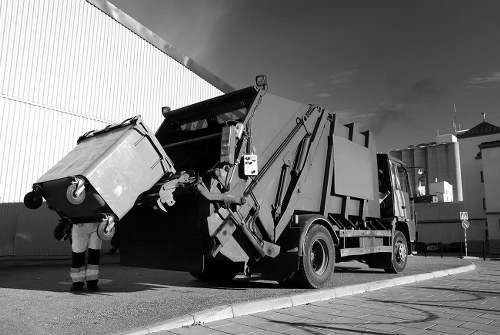
Escalation and Independent Review
If a complainant is not satisfied with the outcome, the complaint may be escalated internally to a senior manager for review. The reviewer will re-examine the case record, consider any new evidence, and may propose a revised solution. Where appropriate and available, the company can suggest an independent third-party review though this depends on the nature of the dispute and mutual agreement. The escalation process is designed to deliver an additional, impartial layer of scrutiny to ensure decisions are robust.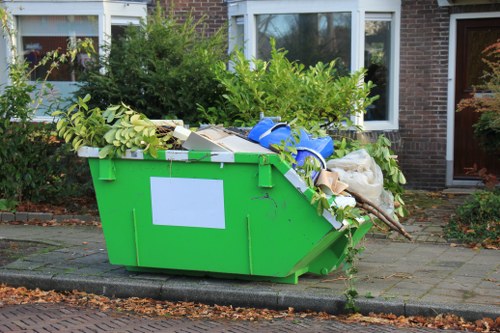
Record Keeping, Confidentiality and Continuous Improvement
All complaints and their outcomes are retained in a secure complaints register to support consistent handling, trend analysis and service improvement. Data is treated confidentially and shared only with those directly involved in resolving the issue. Regular reviews of complaints about flat clearance services in the Marylebone service area help shape staff training, health and safety practices, and operational procedures. Continuous improvement relies on learning from incidents and ensuring corrective actions are implemented and tracked.Timelines and Expectations
The company aims to acknowledge complaints quickly, investigate within a set period, and communicate outcomes clearly. Simple issues may be resolved within days; more complex cases may require a longer timeframe. Complainants should receive updates if investigations take longer than expected. Respectful communication from all parties speeds resolution and reduces misunderstandings.Where a complaint concerns safety or potential criminal matters, the company will take immediate protective steps and may involve the relevant authorities as required. For service quality or handling disputes, remedial action is prioritised to correct the immediate concern and to prevent recurrence on future flat clearances or rubbish removal jobs.
Final note: This complaints procedure is intended to ensure that issues arising from flat clearance and rubbish removal services are handled consistently, transparently and fairly. It sets out clear steps for raising a concern, the investigation approach, likely outcomes and escalation routes. By following this process, customers and residents can expect a professional response designed to resolve problems and improve the overall quality of flat clearance services in the Marylebone service area.