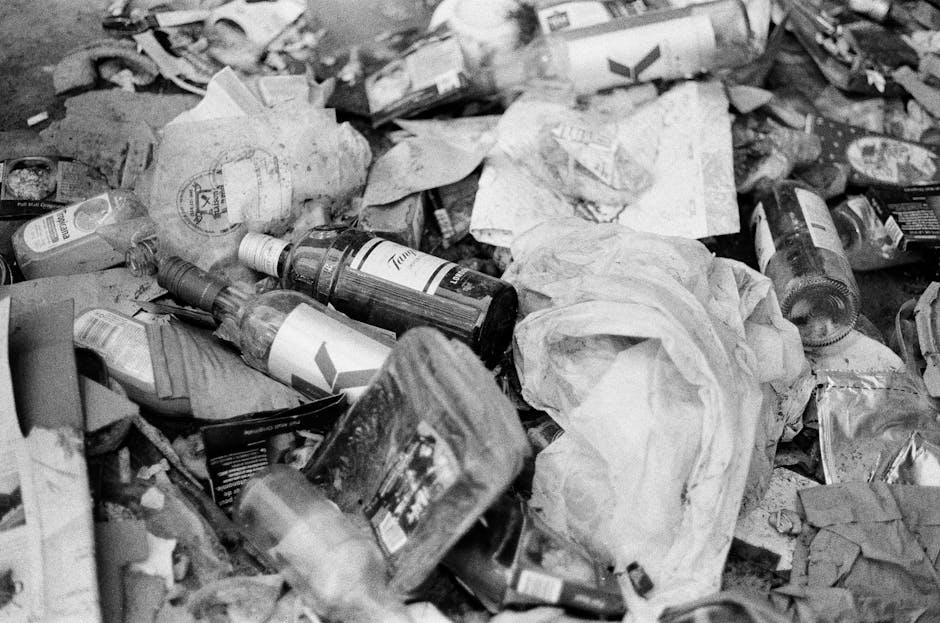
Marylebone Station commuter rubbish collection options
If you commute through Marylebone Station, you already know the pattern: one day everything feels manageable, and the next there's a pile of packaging, a broken chair, a bag of mixed waste, or office clutter that has no business sitting in a hallway by Friday evening. That is exactly where Marylebone Station commuter rubbish collection options come in. Whether you're a tenant, homeowner, landlord, office manager, or just someone trying to get life back in order after a hectic week, the right collection option can save time, stress, and a lot of back-and-forth.
This guide breaks down how the options work, what to choose for different situations, what to watch out for, and how to stay on the right side of good waste practice. It's practical, local, and written for real life - not a brochure. And let's face it, nobody wants to drag a mattress past rush-hour commuters if they can avoid it.
Table of Contents
- Why Marylebone Station commuter rubbish collection options matter
- How the collection process works
- Key benefits and practical advantages
- Who this is for and when it makes sense
- Step-by-step guidance
- Expert tips for better results
- Common mistakes to avoid
- Tools, resources and recommendations
- Law, compliance, standards and best practice
- Options, methods and comparison table
- Case study or real-world example
- Practical checklist
- Conclusion
- Frequently asked questions
Why Marylebone Station commuter rubbish collection options Matters
Marylebone is busy, compact, and unforgiving if waste is left unmanaged. Station-adjacent homes and workplaces often have limited storage, narrow stairwells, awkward lift access, and very little room for keeping rubbish "just for a day or two". Add in commuter timing, loading restrictions, and the simple fact that many people are out of the house before sunrise and back after dark, and the problem becomes obvious.
That is why commuter rubbish collection is not just about clearing waste. It's about fitting waste removal around real schedules. A good option helps you avoid blocked entrances, unpleasant smells, misplaced recycling, and those tense moments when bags start to accumulate beside the door. It also matters because waste left too long can attract complaints from neighbours, building managers, or offices that share entrances and service areas.
In a place like Marylebone, the practical question is often not "what should I do with this rubbish?" but "how do I get it removed without disrupting my day?" That's the heart of it. The best collection option is the one that matches your space, timing, and the type of waste you have. Simple enough, but the details matter.
Expert summary: For commuter-heavy areas, the best rubbish collection option is usually the one that is quick to book, easy to access, and flexible enough to fit around building rules, station traffic, and tight weekday schedules.
For broader household or office clear-outs, it can help to look at related services such as home clearance, flat clearance, or office clearance if the waste goes beyond a few bags and into furniture, equipment, or mixed contents.
How Marylebone Station commuter rubbish collection options Works
Most rubbish collection options near a station area follow a similar logic: you identify the waste, choose a collection method, book a slot, and arrange access. The differences are in speed, volume, and how much work you want to do yourself.
1. Bagged waste collection
This is the simplest form. You gather general waste, recycling, or a mix of non-hazardous rubbish into bags or boxes, then arrange collection. It suits commuters who have a build-up of everyday waste after a renovation, a move, or an office reset. It's quick, but only if the waste is already sorted and ready to go. If you leave everything mixed in one corner, it becomes more awkward, fast.
2. One-off rubbish removal
For bulkier rubbish, a one-off collection is often more practical. This might include broken shelving, old furniture, redundant household clutter, or a pile of packaging from a delivery-heavy period. The collector handles the lifting and loading, which is ideal if you're working with a short lunch break, a tight weekday window, or a building with no generous storage space.
3. Furniture and appliance collection
Many station-area rubbish problems are not "rubbish" in the classic sense at all. They are furniture, white goods, or awkward items that won't fit into a standard bin. If your waste includes a sofa, wardrobe, mattress, or fridge, specialist handling makes far more sense than trying to push it through a general waste route. For those items, mattress and sofa disposal and fridge and appliance removal are worth considering.
4. Business and office waste collection
Commuter locations often generate commercial waste too. Think boxes from deliveries, confidential paperwork, old monitors, broken chairs, or end-of-tenancy office clutter. Here, regular collection or a tailored business waste removal service can be more efficient than trying to piece things together with ad hoc trips.
5. Specialist disposal for restricted items
Some items need a separate route. Hazardous materials, chemicals, and certain appliances should not be mixed with everyday rubbish. If in doubt, it is better to pause and check rather than forcing them into the wrong collection stream. For those edge cases, hazardous waste disposal is the safer path.
Behind the scenes, the process usually depends on access details, loading times, and whether the waste can be carried directly from a flat, office, or basement storage area. In commuter zones, those small details can make the difference between a smooth pickup and a messy one.
Key Benefits and Practical Advantages
The obvious benefit is having the rubbish gone. But the real value goes deeper than that.
- Less disruption to your commute: You can get waste removed without sacrificing half a day or rearranging your week.
- Better use of small spaces: Station-area homes and offices rarely have room for lingering rubbish.
- Safer hallways and entrances: Clear access matters, especially in buildings with shared stairwells or narrow landings.
- Less stress on move-out days: If you're leaving a flat, clearing waste early can make everything feel more manageable.
- Cleaner presentation: For landlords, letting agents, and businesses, a tidy space always helps.
- More suitable handling of awkward items: Large furniture, fridges, and mixed items need proper removal rather than improvised lifting.
There's also a quiet psychological benefit people underestimate. A cluttered entrance or a room full of bags has a way of wearing you down. Once it's cleared, the whole place seems to breathe again. That sounds dramatic, but anyone who has lived through a cramped London clear-out knows exactly what I mean.
If you are sorting a wider clean-up, it can be useful to understand the difference between rubbish collection and full property clearance. A more comprehensive service such as house clearance or loft clearance may suit larger projects where the waste is part of a bigger reset rather than a quick pickup.
Who This Is For and When It Makes Sense
These collection options are useful for a surprisingly wide range of people. You do not need to be moving house to need them, and you do not need a mountain of waste either.
Typical users include:
- Commuters in rented flats: Especially those with limited bin storage or shared refuse areas.
- Landlords and managing agents: Useful after tenant changeovers or end-of-tenancy clear-outs.
- Office teams: Good for packaging, furniture, and desk decluttering.
- Small businesses: Helpful when storage space is at a premium and rubbish builds up fast.
- Homeowners nearby: Especially when renovating, replacing furniture, or clearing the garage.
- People dealing with a major life admin moment: A move, bereavement, home refresh, or post-build tidy-up can all create odd waste at once.
It makes sense when the waste is too much for normal household bins, too awkward for a simple car trip, or too time-sensitive to leave sitting around. Truth be told, if you're already juggling work and travel, the last thing you need is a Saturday wasted hauling old chairs down the stairs.
For mixed domestic jobs, services like furniture clearance, furniture disposal, and even home clearance can be more efficient than a standard rubbish pickup.
Step-by-Step Guidance
If you want the process to feel easy rather than frantic, a little preparation goes a long way. Here's a straightforward approach.
- Identify the waste clearly. Separate general rubbish, recyclable material, furniture, electronics, and anything potentially hazardous.
- Estimate the volume. Is it a few bags, a roomful of items, or a full clear-out? This affects the method you choose.
- Check access. Think about lifts, stairs, loading bays, parking restrictions, and whether someone needs to be on-site.
- Choose the right collection type. Bagged waste, furniture collection, office clearance, or a broader waste removal service all suit different needs.
- Prepare the items. Bag loose waste, flatten boxes, and separate items that may need special handling.
- Book a time that matches your schedule. If you commute, a narrow morning window or late afternoon slot can be far more practical.
- Clear the route. Make sure there is a safe path from the waste to the exit. It sounds obvious, but you'd be surprised how often it gets overlooked.
- Keep paperwork or access notes ready. Building codes, concierge instructions, and contact details can save a lot of waiting around.
- Ask about sorting and recycling. If you care about where things go - and many people do - it's sensible to choose a provider with a clear recycling approach.
A tiny bit of planning can save a very large headache. One Tuesday morning, for example, someone might be rushing for a train and realise three bags are blocking a corridor. That's when the difference between "sorted" and "actually sorted" becomes painfully clear.
Expert Tips for Better Results
After enough clear-outs, certain patterns become obvious. The good news is that most of the stress is avoidable.
- Don't mix valuable items with rubbish. Quick glance through drawers and cupboards first. It is amazing what ends up in a "waste" pile by mistake.
- Take photographs before booking. A few clear pictures of the waste and access route make planning easier.
- Group items by type. Furniture, bags, electronics, and cardboard are easier to process when they're not all tangled together.
- Keep the route clear from door to vehicle. This matters more in narrow buildings and older conversions.
- Be realistic about timing. If a collection needs access via a tight stairwell, allow a proper window rather than squeezing it into ten minutes.
- Ask what happens to reusable items. Good operators don't treat every item as the same.
- Plan around peak commuter movement. Earlier or later slots can be calmer and less awkward for building access.
One more thing: if a job has awkward or heavy items, don't improvise with friends and borrowed gloves unless you're sure it's safe. Back strain is not a heroic outcome. It's just annoying.
For a more structured approach to recyclable and reusable material, it can help to review recycling and sustainability guidance before the collection. That way, you're not just getting rid of waste - you're handling it in a more thoughtful way.
Common Mistakes to Avoid
Most collection problems are surprisingly ordinary. They usually come from rushing, guessing, or hoping the waste will somehow look after itself. It won't.
- Leaving everything until the last minute. This is the classic one, especially before a move or office handover.
- Choosing a method that doesn't match the waste type. A few bags are not the same as a wardrobe, and a wardrobe is not the same as a fridge.
- Not checking access properly. A blocked entrance, no parking, or a locked service door can slow everything down.
- Mixing hazardous items with general rubbish. That creates avoidable safety and compliance issues.
- Assuming everything can go in the same pile. Some items need separate handling, and that's normal.
- Forgetting building rules. Some blocks have quiet hours, loading restrictions, or concierge procedures.
- Underestimating the volume. A few "small" bags can become a far larger job once they're gathered properly.
There is also a common emotional mistake: assuming the job is too small to bother with. That feeling is understandable, but small waste issues have a habit of growing legs. One bag becomes three. Then a broken chair appears. Then, somehow, a printer is in the hallway. Funny how that happens.
Tools, Resources and Recommendations
You do not need a truckload of equipment to prepare for a collection, but a few basic tools make life easier.
- Heavy-duty bags: Better for mixed rubbish and sharper packaging edges.
- Marker pen and labels: Useful if you want to separate recycling, donation, and waste.
- Gloves: Worth having if you are sorting broken or dusty items.
- Box cutter or scissors: Handy for flattening packaging, but use care.
- Phone camera: Great for sharing access photos and confirming what needs removing.
- Basic tape and ties: Keeps bags secure and makes transport cleaner.
For readers who want a more service-led solution, pages like waste removal and pricing and quotes can help you judge what feels appropriate before booking. If the waste is tied to a larger job, builders waste clearance is especially relevant for renovation debris, plasterboard, packaging, and other post-work leftovers.
And if your clear-out has turned into a "why is there so much stuff in this flat?" moment, you may want to compare broader options such as garage clearance or loft clearance. Those spaces collect things quietly for years, then suddenly demand attention all at once.
Law, Compliance, Standards and Best Practice
Waste removal in the UK is not something to take casually. You do not need to become a compliance expert, but you do need to use common sense and work with providers that understand responsible disposal.
At a practical level, that means waste should be handled by people who can transport it safely, separate it sensibly, and dispose of it through the right channels. If you are a business, the standards are even more important because waste duty and record-keeping expectations can apply depending on the type of waste and the arrangement.
For most commuters and households, the key best-practice points are straightforward:
- Do not place hazardous items into ordinary mixed rubbish.
- Keep electrical items separate where needed.
- Use collection methods suited to the waste volume.
- Choose providers that are clear about safety and handling.
- Make sure access arrangements are safe for workers and building users.
It is also sensible to choose a service that treats insurance, safety, and secure payment properly. Those details may feel boring, but they are exactly the kind of boring details you want done well. If you want to review those basics, the website pages on insurance and safety, health and safety policy, and payment and security help set expectations in a simple way.
For confidential paperwork from offices or home working setups, confidential shredding is the right kind of additional step. It keeps sensitive material out of general waste streams, which is a small thing until suddenly it's not.
Options, Methods and Comparison Table
Different collection methods suit different waste situations. Here's a simple comparison to help you decide.
| Option | Best for | Strengths | Watch-outs |
|---|---|---|---|
| Bagged rubbish collection | Household waste, packaging, smaller clear-ups | Fast, simple, easy to prepare | Not ideal for bulky or heavy items |
| Furniture clearance | Chairs, tables, wardrobes, sofas | Handles awkward items well | May need access planning and lifting support |
| Office clearance | Desks, chairs, files, equipment, mixed commercial clutter | Good for workplace resets | Confidential and electrical items need extra care |
| Waste removal | Mixed general waste and non-specialist disposal | Flexible and broad | Needs correct sorting for restricted items |
| Builders waste clearance | Renovation debris and post-work material | Suitable for tougher, dirtier waste streams | Not a catch-all for everything |
If you are trying to compare options, ask yourself three things: what is the waste, how much is there, and how quickly does it need to go? That usually narrows the choice quite neatly. Not always perfectly, but enough.
Case Study or Real-World Example
Picture a small flat near Marylebone Station after a rushed week of moving out. There are three black bags of mixed household waste, a disassembled coffee table, two old office chairs, and a broken appliance box that has been sitting in the corner for days. The resident works shifts and barely has a free hour before the weekend.
Trying to handle that with ordinary bins would be awkward at best and impossible at worst. A simple bag collection might deal with some of it, but not the chairs or table. A better fit would be a mixed collection plan: bagged waste removed alongside furniture clearance, with the route checked in advance so the items can be taken out quickly and cleanly.
What changed the experience wasn't just the removal. It was the planning. The resident grouped items by type, took a few photos, cleared the hallway, and arranged a time that didn't clash with commute traffic. The result? One tidy pickup instead of several stressful attempts. A small thing, really, but it makes the whole week feel lighter.
That is the sort of scenario Marylebone Station commuter rubbish collection options are built for: compact living, busy schedules, and waste that can't wait forever.
Practical Checklist
Use this before booking a collection.
- Have I identified exactly what needs removing?
- Is any item hazardous, confidential, or specialist?
- Do I know roughly how much waste there is?
- Have I checked access, stairs, lifts, and parking?
- Have I separated furniture, bags, and recyclables where possible?
- Do I need a same-day or time-sensitive slot?
- Have I cleared a safe route to the exit?
- Have I told the building manager or concierge if needed?
- Do I want a broader service such as flat, house, or office clearance?
- Have I reviewed pricing and payment details before going ahead?
If you can tick most of those off, you're usually in a good place. If not, pause for five minutes and sort the basics. It saves time later, honestly.
Conclusion
Marylebone Station commuter rubbish collection options are really about one thing: making waste removal work around a busy London life. The best solution is the one that fits your schedule, your access, and the kind of waste you actually have - not the one that looks easiest at first glance.
Whether you need a small bagged pickup, a furniture clearance, a business waste solution, or a more complete property clear-out, the right approach should feel calm, organised, and straightforward. That is the aim. No drama. No pile-up by the door. Just a cleaner space and one less thing on your mind.
Get a free quote today and see how much you can save.
And if you're still deciding, that's fine too. Sometimes the smartest move is simply to stop the clutter from stealing another week of your time.
Frequently Asked Questions
What are Marylebone Station commuter rubbish collection options?
They are rubbish removal and clearance choices designed around the needs of people travelling through or living near Marylebone Station. That usually means flexible collection times, limited disruption, and the ability to handle bagged waste, bulky items, or mixed clear-out material.
Is this the same as regular bin collection?
No. Regular bin collection is for routine household or commercial waste streams. Commuter rubbish collection options are better suited to extra rubbish, bulky items, time-sensitive clear-outs, and waste that can't simply wait for the next bin day.
Can I arrange collection if I only have a few bags?
Yes, if the bags are beyond what you can comfortably handle or your building makes storage difficult. Even a small amount can become a nuisance in a tight flat or shared hallway, so it's reasonable to arrange a collection when it keeps things tidy and manageable.
What if I have furniture as well as general waste?
That's common. You may need a mixed approach that includes both rubbish removal and furniture clearance. Sofas, chairs, wardrobes, and tables are better treated as bulky items rather than squeezed into a general waste pile.
Do I need to sort recyclable items first?
It helps, yes. Sorting cardboard, clean packaging, reusable items, and general waste can make collection smoother. It also supports better recycling practice, which many people now prefer, especially for office and move-out clearances.
Can offices near Marylebone use these options too?
Absolutely. Offices often need help with packaging, old furniture, files, and other clutter that builds up quickly. A business-focused collection or office clearance is usually the most efficient route for that kind of job.
What should I do with confidential paperwork?
Keep it separate and choose a secure destruction route rather than putting it with general waste. Confidential shredding is the safer and more sensible option for sensitive documents.
Are hazardous items accepted in a normal collection?
Not usually. Hazardous items need a specialist disposal route. If you are unsure whether an item is restricted, it is better to check before booking so it can be handled properly.
How do I prepare for a collection in a small flat?
Group items by type, clear a route to the door, check lift and stair access, and make sure the waste is ready before the collection window starts. In small buildings, the preparation matters more than people think.
What is the best option for a full flat clear-out?
A broader clearance service is usually the best fit, especially if the waste includes furniture, appliances, and general household items. Flat clearance or home clearance tends to be more practical than trying to manage everything as separate small jobs.
How do I know which service I need?
Start with the type and amount of waste. If it is mostly bags, a general waste collection may be enough. If you have furniture, appliances, or mixed contents, a more specialist clearance service is usually better. When in doubt, use the option that matches the largest or most awkward item first.
Can I book waste removal around a commute schedule?
Yes, and that is often the whole point. Morning, lunchtime, or late-afternoon slots can be arranged to reduce disruption. For station-area properties, flexibility is often as valuable as speed.
What should I ask before booking?
Ask what type of waste is accepted, how access is handled, whether items need to be separated, and what happens to recyclable or reusable material. It also helps to check pricing, payment, and safety details so there are no surprises later.